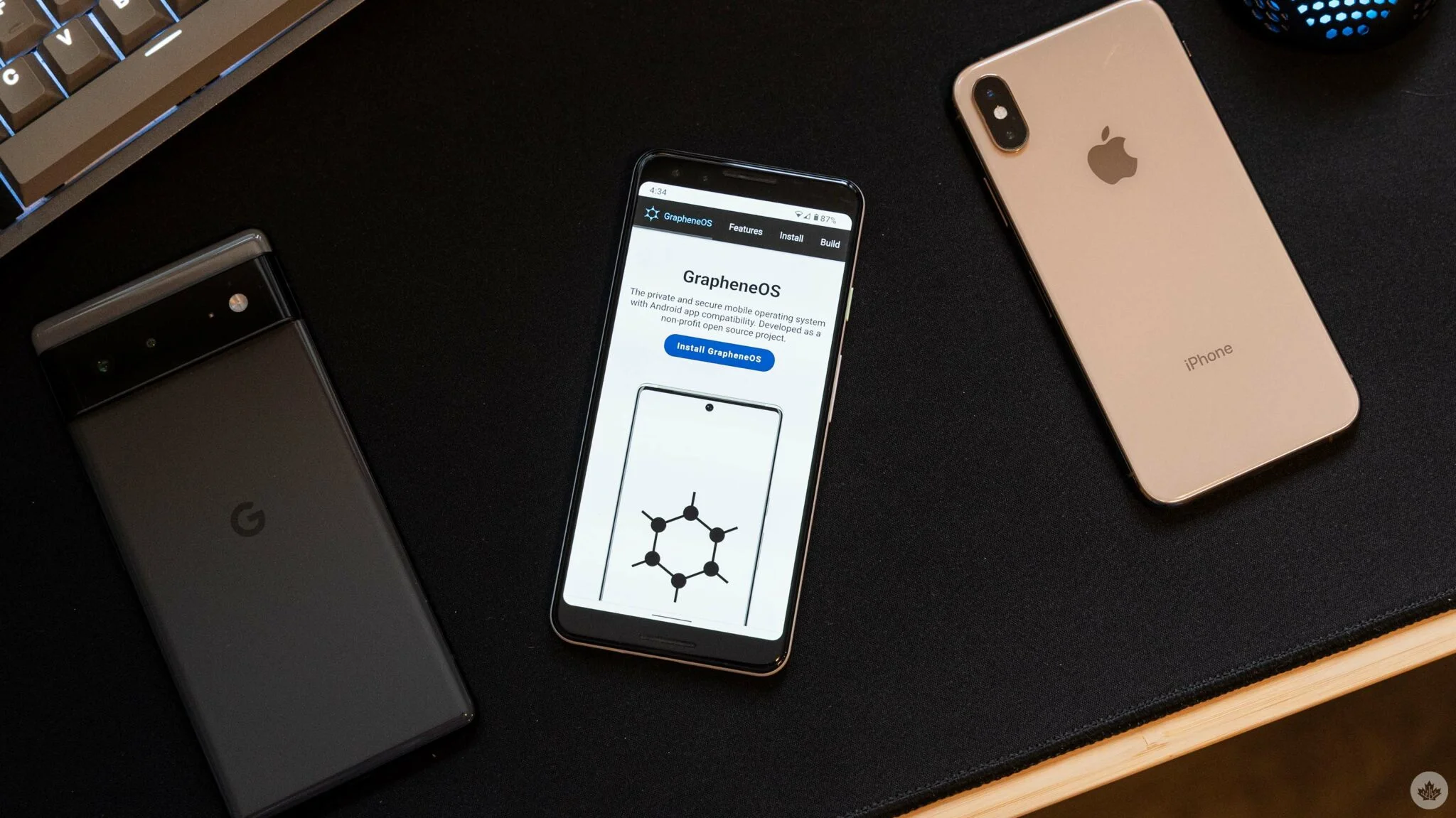
I run GrapheneOS on a Pixel 8. I did not install it because I believe a phone can make me invisible, or because replacing one operating system settles every privacy question. I use it because it moves more decisions back to the person holding the device.
That distinction matters to me. Privacy is often sold as a promise: trust the company, accept the defaults, and hope the policy keeps its meaning. I would rather have controls I can inspect and change.
Control that survives ordinary use
GrapheneOS does not include Google apps and services by default. If I need them, its sandboxed Google Play compatibility layer lets me install them as ordinary apps without the privileged position they have on most Android phones.
It also adds practical boundaries around other apps. I can revoke network access, restrict sensors, and use Storage Scopes or Contact Scopes instead of handing over an entire library. Those controls are useful because they do not require me to stop using a smartphone like a smartphone.
The project also goes much deeper than permission toggles. Its security work includes exploit mitigations, stronger sandboxing, attack-surface reduction, and verified-boot improvements. I do not pretend to audit all of that code myself. What I can do is prefer a project that explains its threat model and publishes the technical detail behind its claims.
It changed how I build Android software
Using GrapheneOS has made my own standard for Android apps less forgiving. If a finance app can recognise a receipt on-device, it should not upload that receipt for convenience. If a planner can work from a local database, an account should not be the price of admission. If a camera can keep originals, edits, and processing choices on the phone, the cloud should be optional rather than structural.
That thinking runs through SpendWise, Anchor, PhotoBoi, and Lumina. They solve different problems, but I keep returning to the same test: does the person using the software still own the important state, and can the core job survive without a server?
GrapheneOS is useful development pressure. It exposes assumptions about privileged Google services, unnecessary network access, and permissions requested because they were easy rather than essential. A privacy claim becomes more convincing when it is visible in the architecture.
Installation is the serious part
GrapheneOS only publishes production releases for devices that meet its security requirements, and support changes as devices age. The official device list is the source to check before buying or installing anything; an unlockable bootloader matters, and carrier variants can prevent installation.
The project’s web installer is the recommended route for most people. Read its prerequisites, back up the phone, use a supported browser and a reliable cable, follow every step in order, and relock the bootloader when instructed. Installation wipes the device. This is not a process to improvise from an old third-party video.
The trade-offs are real
Choosing GrapheneOS means choosing from its supported hardware. Some apps still assume privileged Google integration, and a small number need compatibility work or a different setup. It also does not replace careful app choices, strong authentication, backups, or an honest understanding of your own risks.
For me, those trade-offs are worth it. The larger lesson is not that everybody needs my exact phone setup. It is that privacy is stronger when it is a property of the system, not a favour granted by the business model.